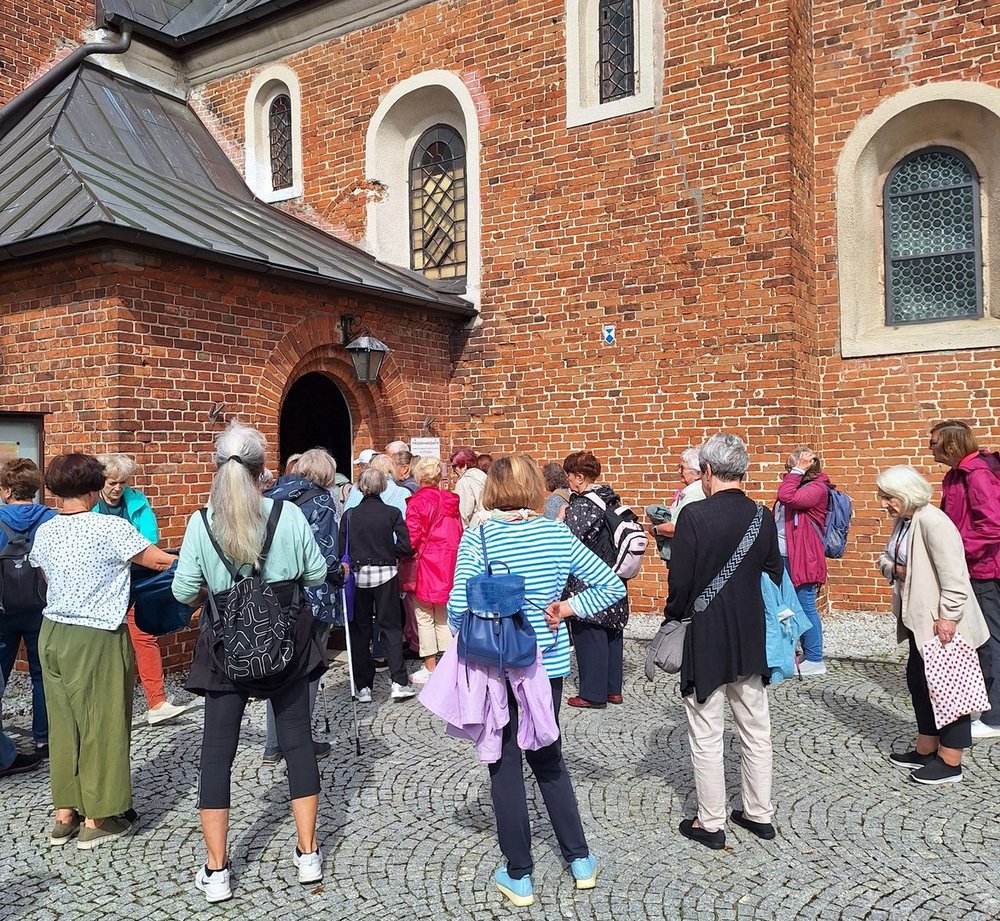
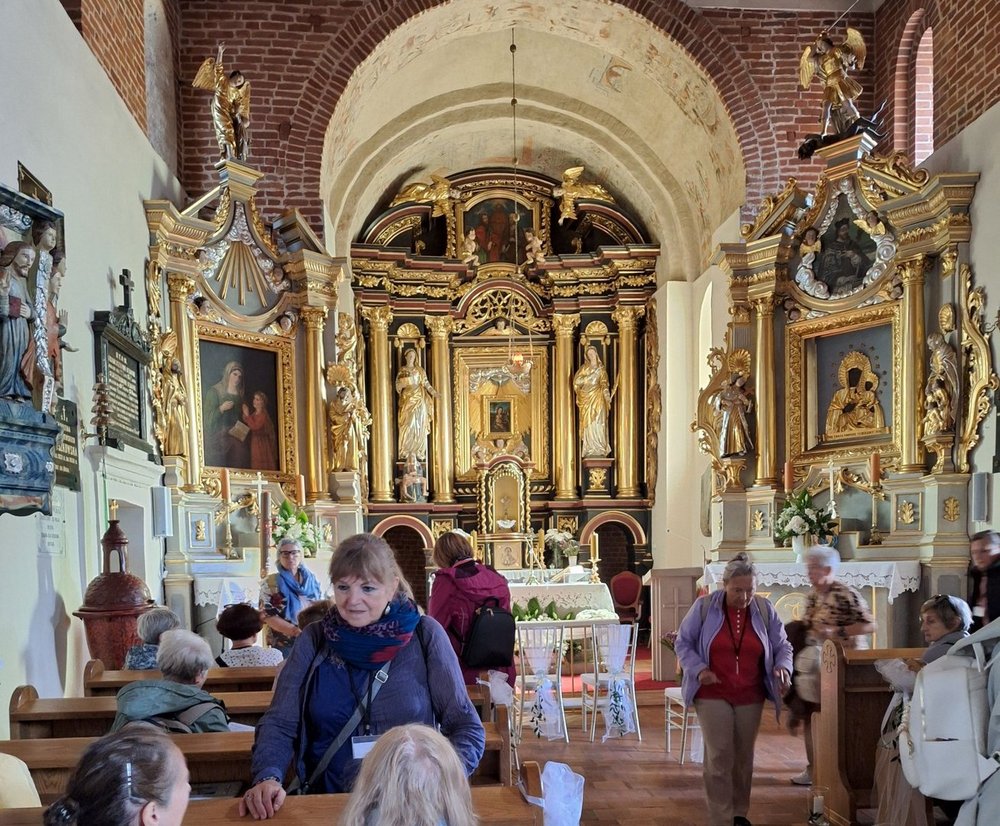
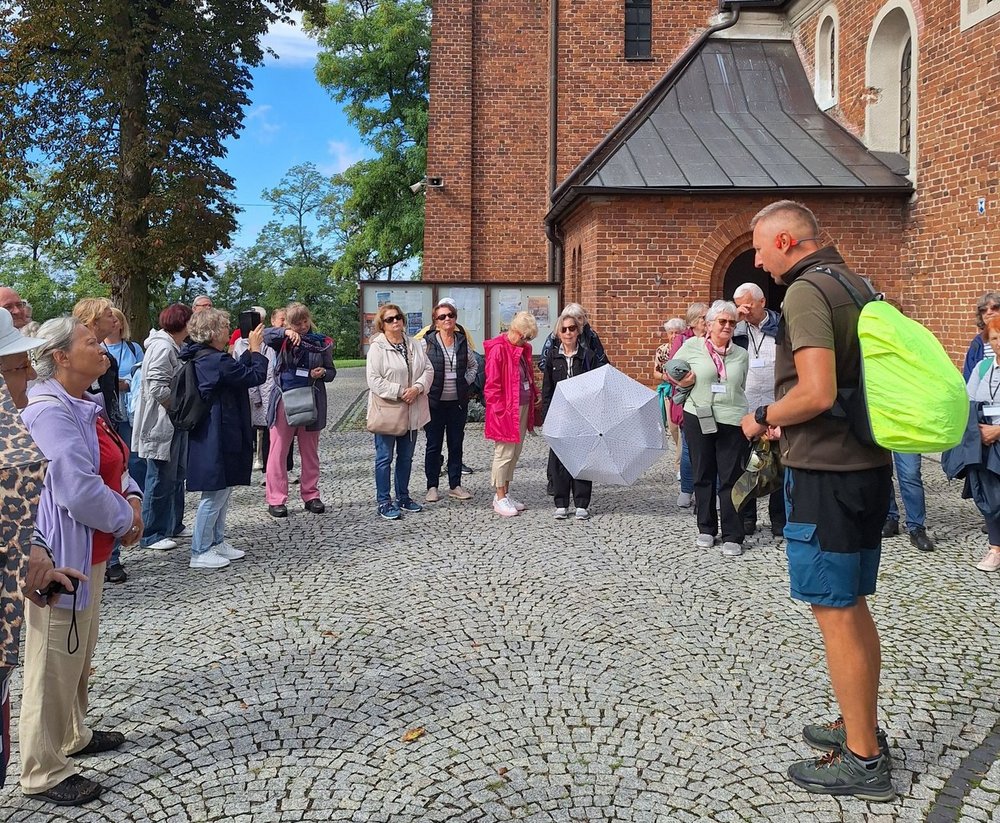
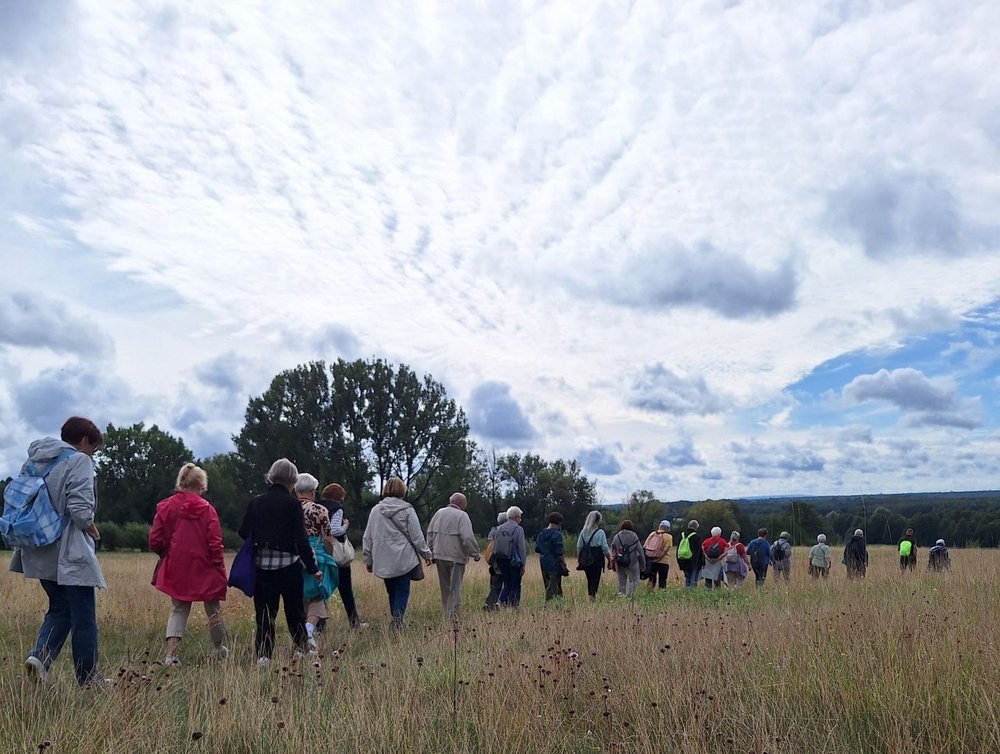
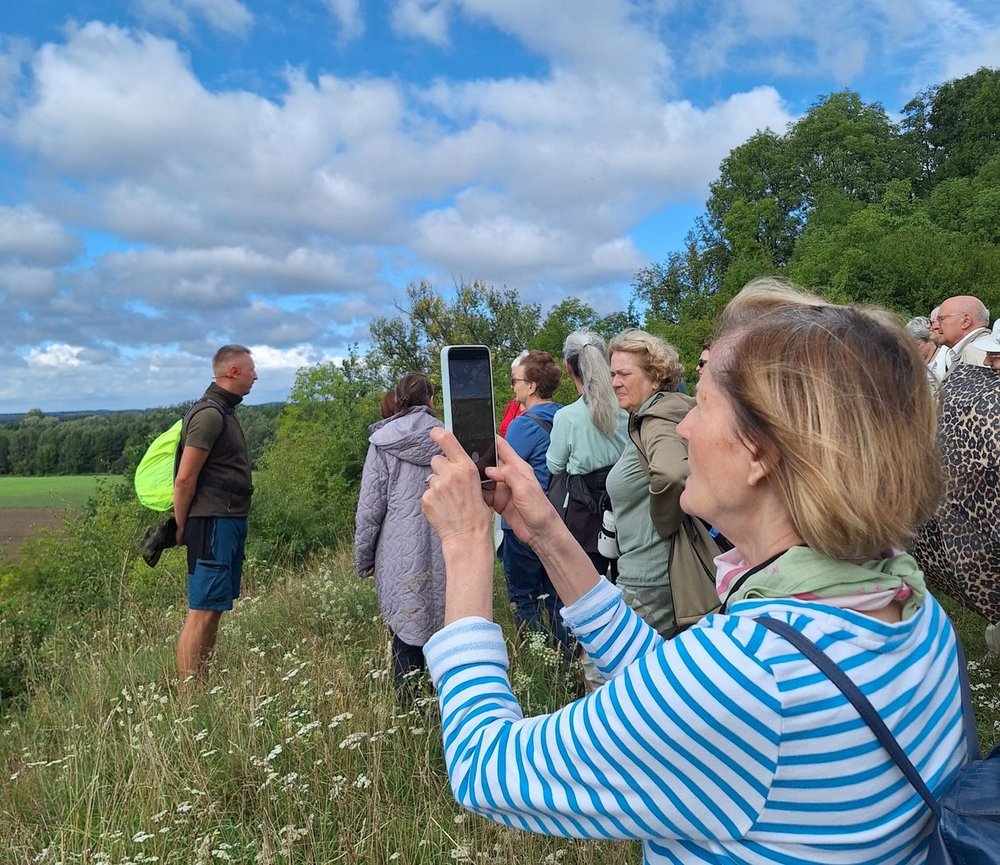
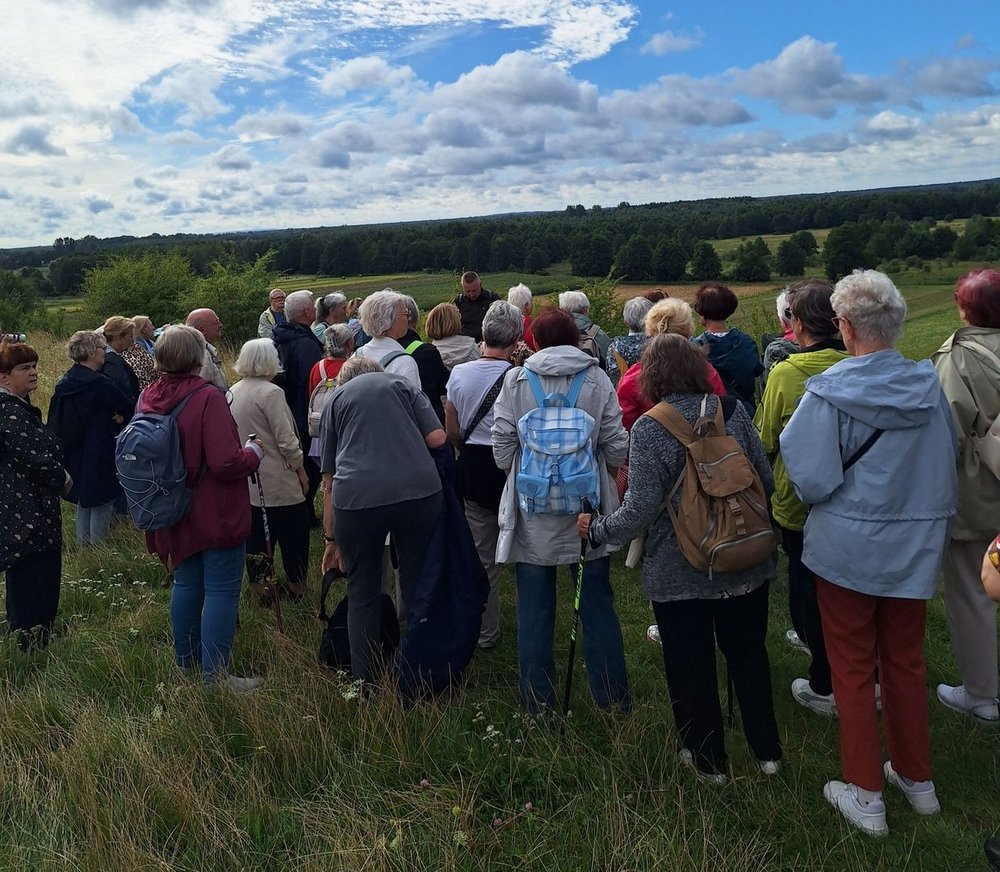
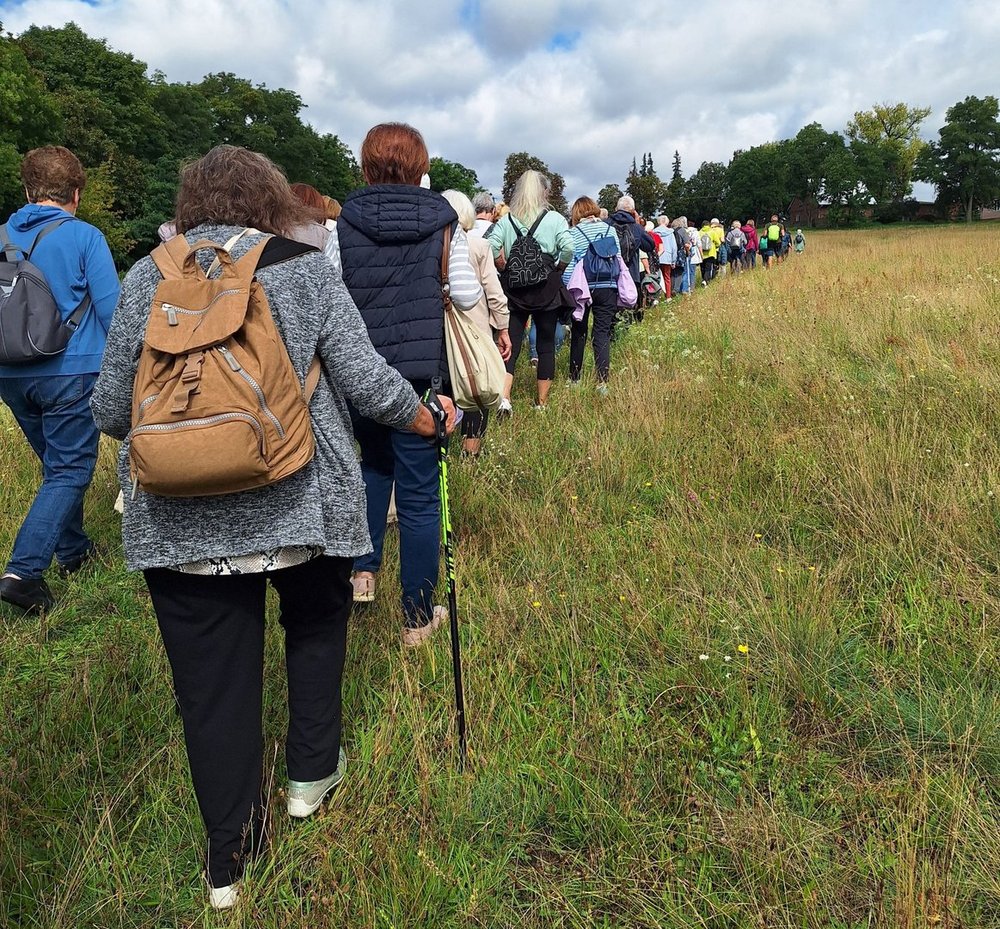
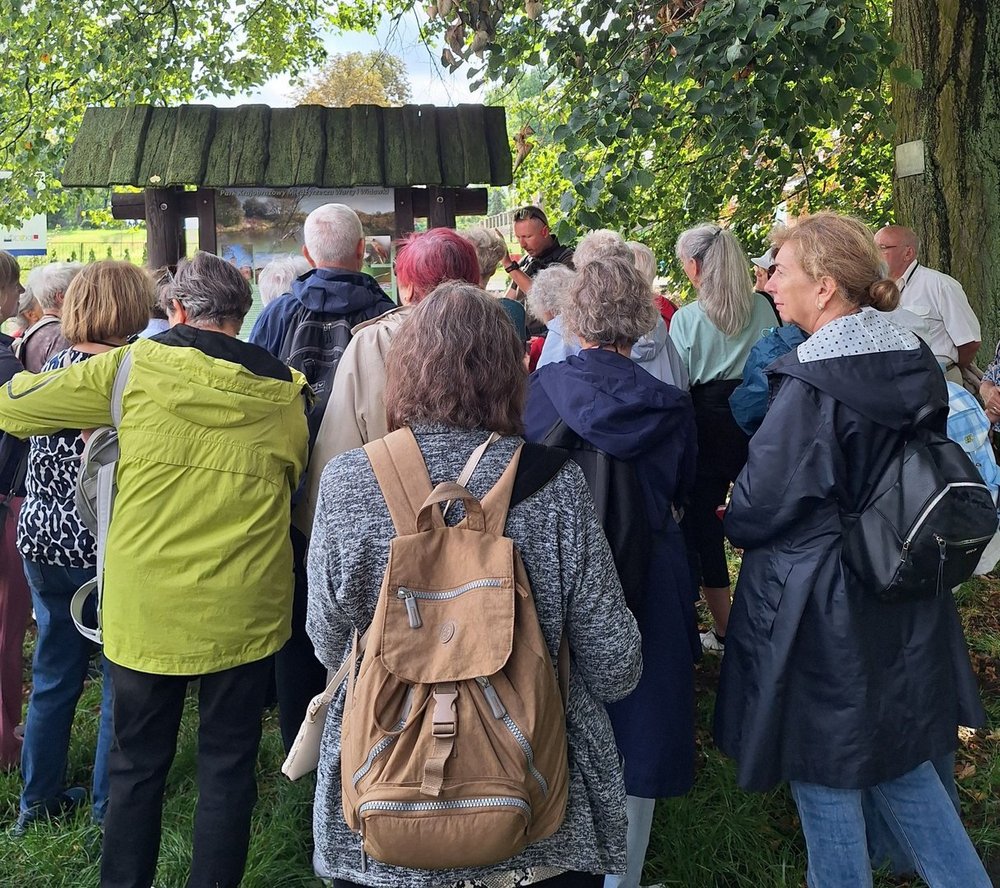
The first stop on the trip was the village of Strońsko. There, the senior citizens visited the 13th-century Church of St Ursula and the Eleven Thousand Virgins, one of the oldest brick churches in Poland. The church has preserved Romanesque fragments of its walls, parts of the nave and the chancel windows. Its most valuable historic feature is a semicircular stone tympanum depicting a two-headed dragon, an amphisbena, devouring locusts. The main altar is adorned with a 16th-century painting of the Virgin Mary and Child.
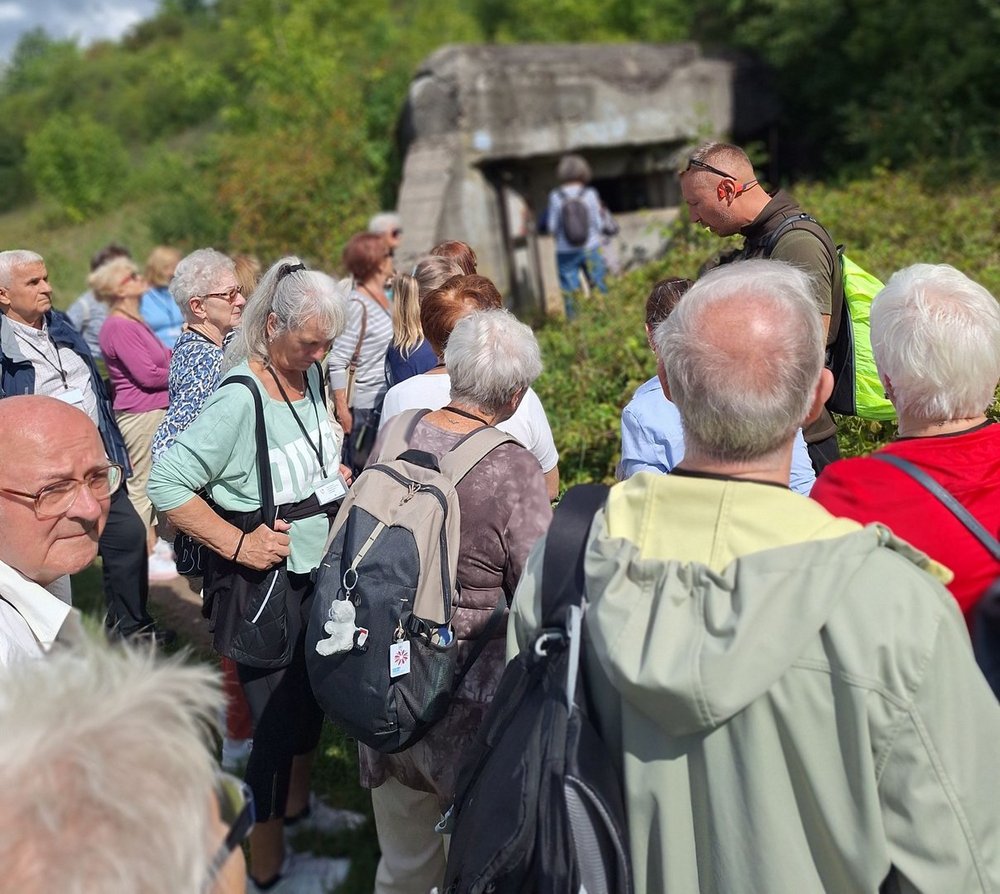
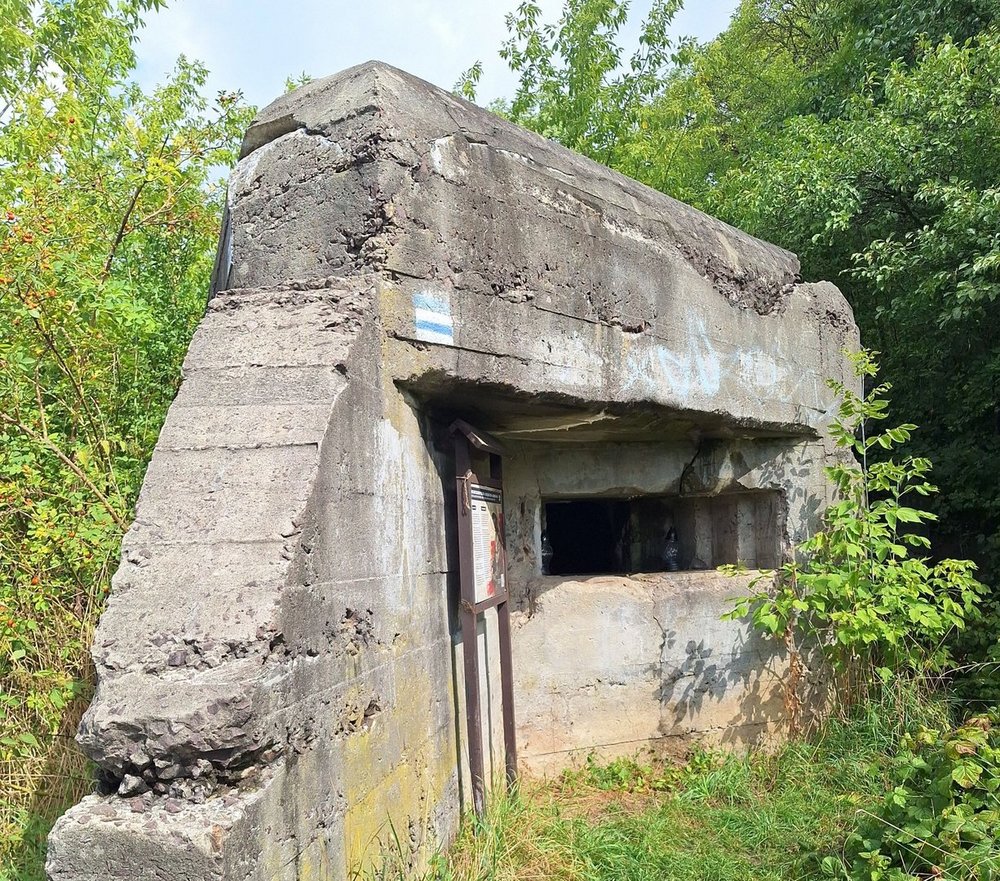
After a walk to the picturesque oxbow lake of the Warta River, the group viewed preserved Polish military bunkers dating from September 1939. These structures formed part of a defensive strongpoint on the main defence line of the Łódź Army. It was an important encounter with regional history and an opportunity to revisit the events that unfolded here during the first days of the Second World War.
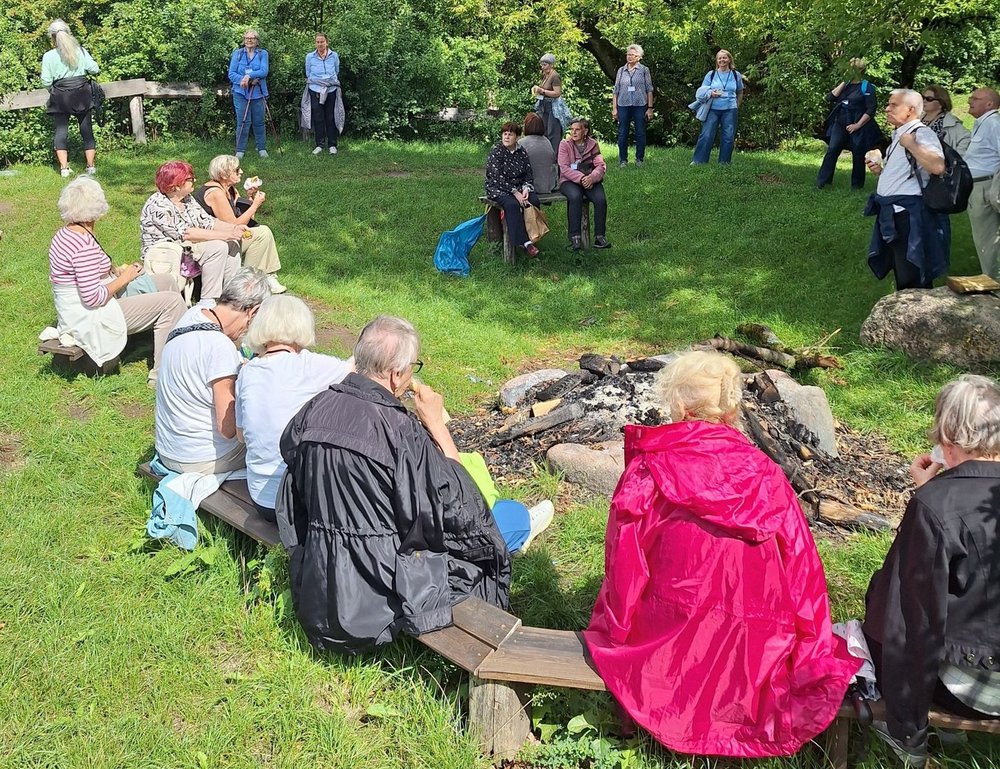
The 19th-century manor park, situated on the edge of the Warta River valley, provided an ideal setting for a short rest and a meal. One of the park’s greatest attractions is its impressive mature tree stand. Several natural monuments grow there, including a magnificent common ash estimated to be around 200 years old.
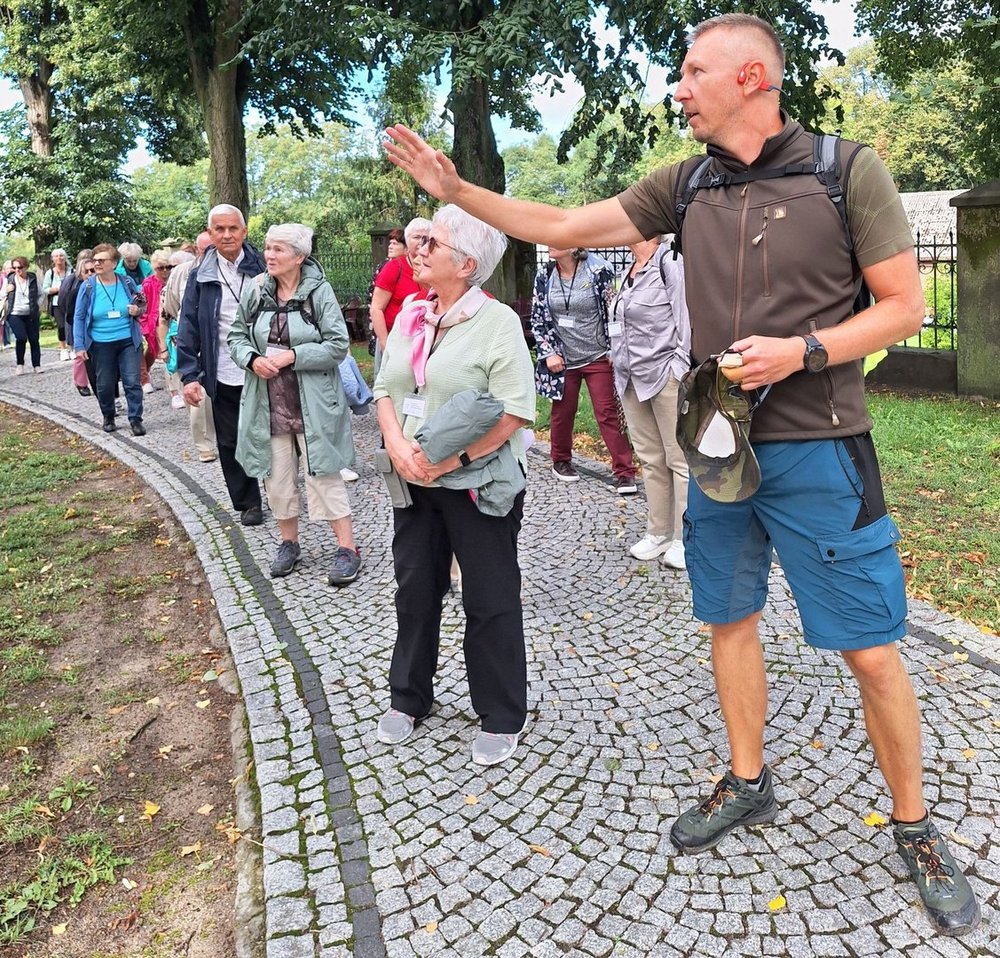
At the end of their visit, the seniors went to the local cemetery. It contains a cemetery chapel dating from 1821 and an imposing monument dedicated to the soldiers of the Łódź Army who fell during the defensive battles in the vicinity of Belenie and Strońsko. The seniors also saw the graves of more than two hundred soldiers who lost their lives during the September Campaign of 1939.
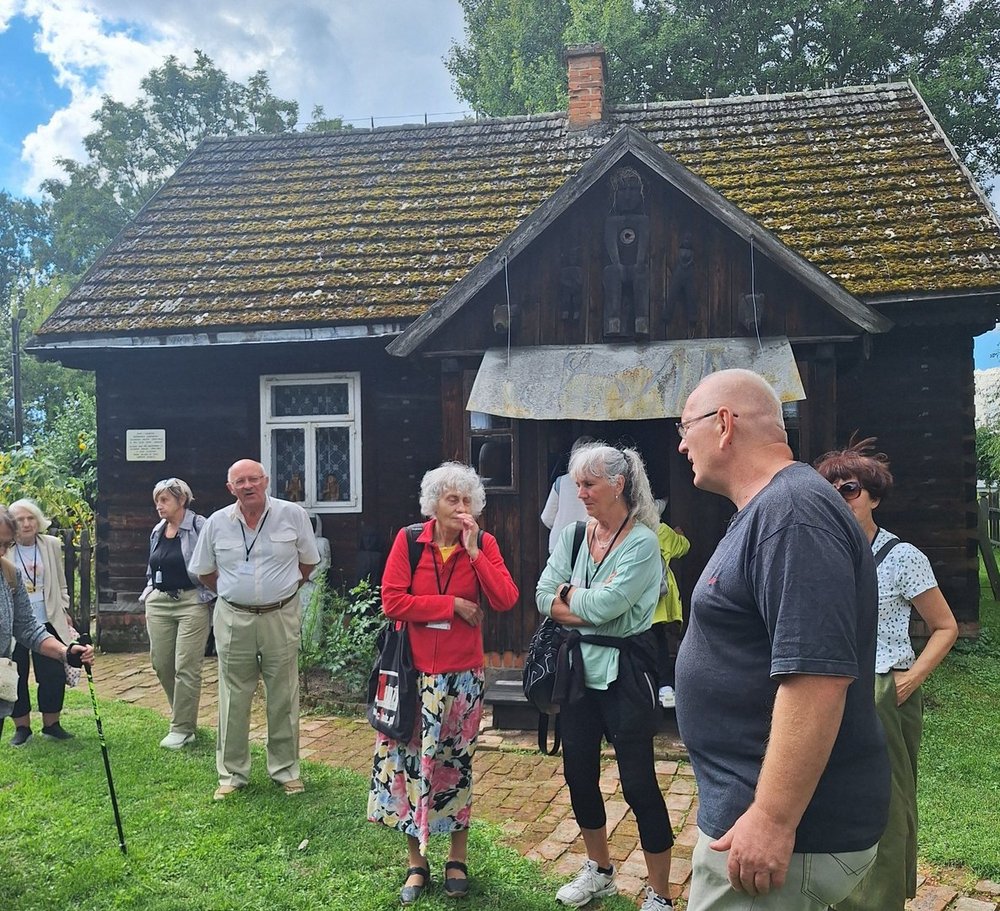
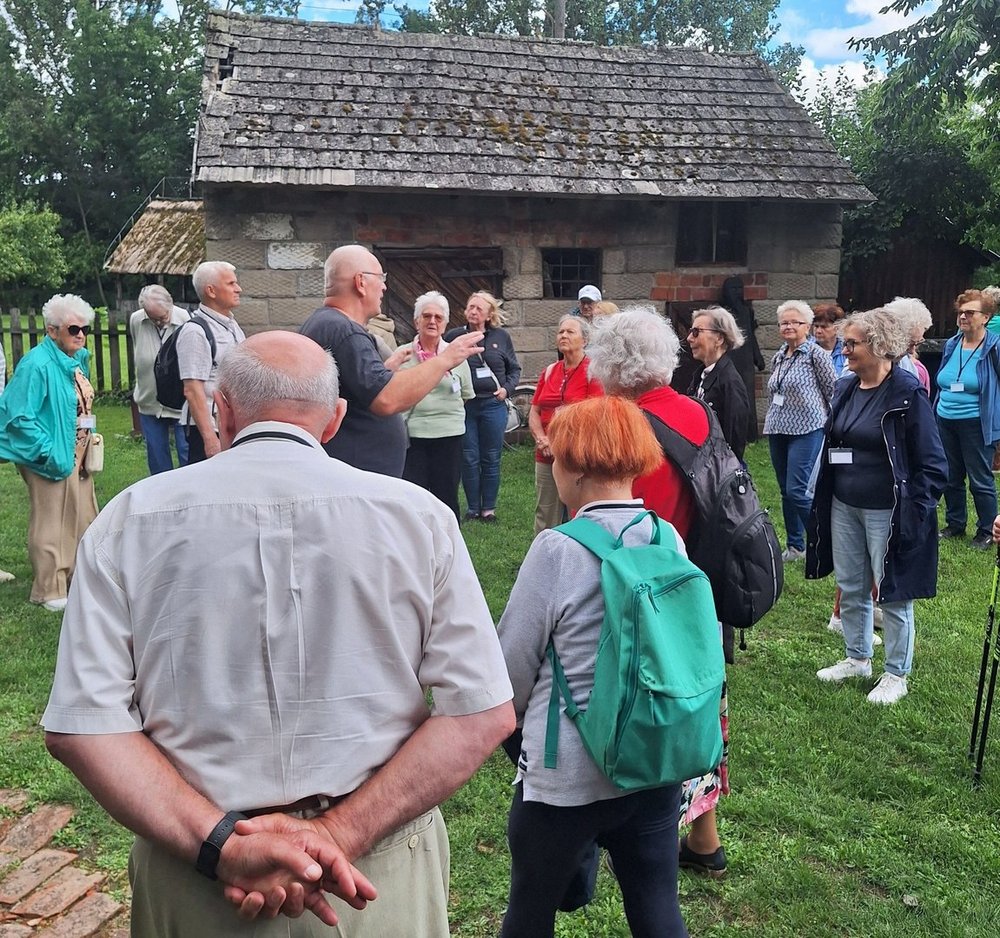
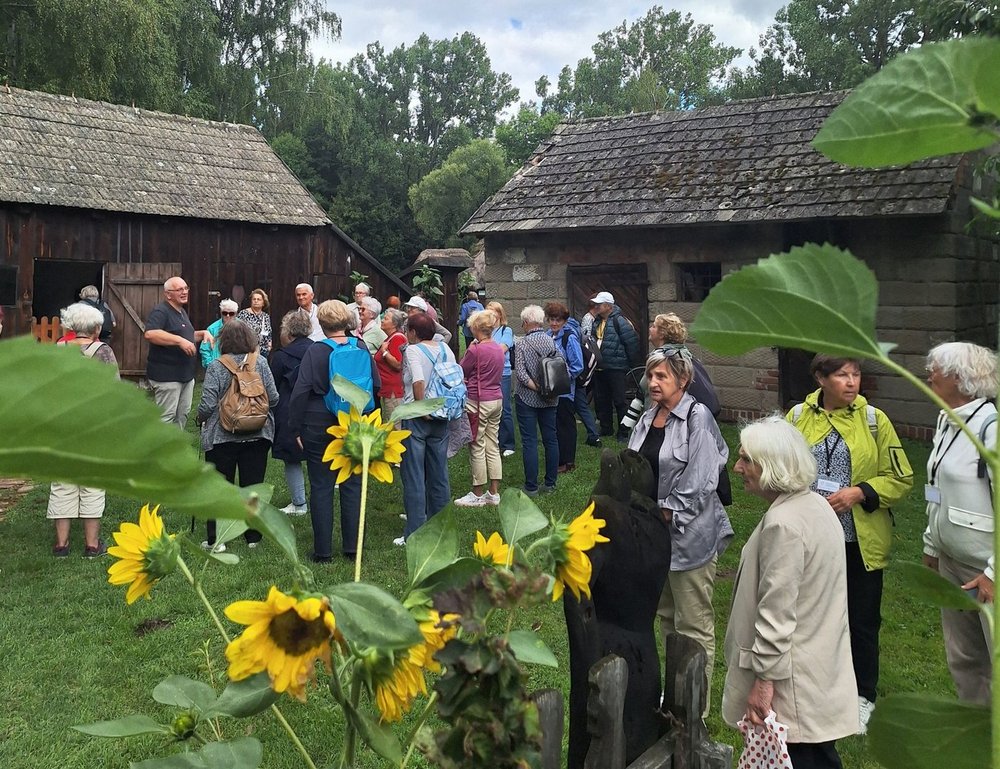
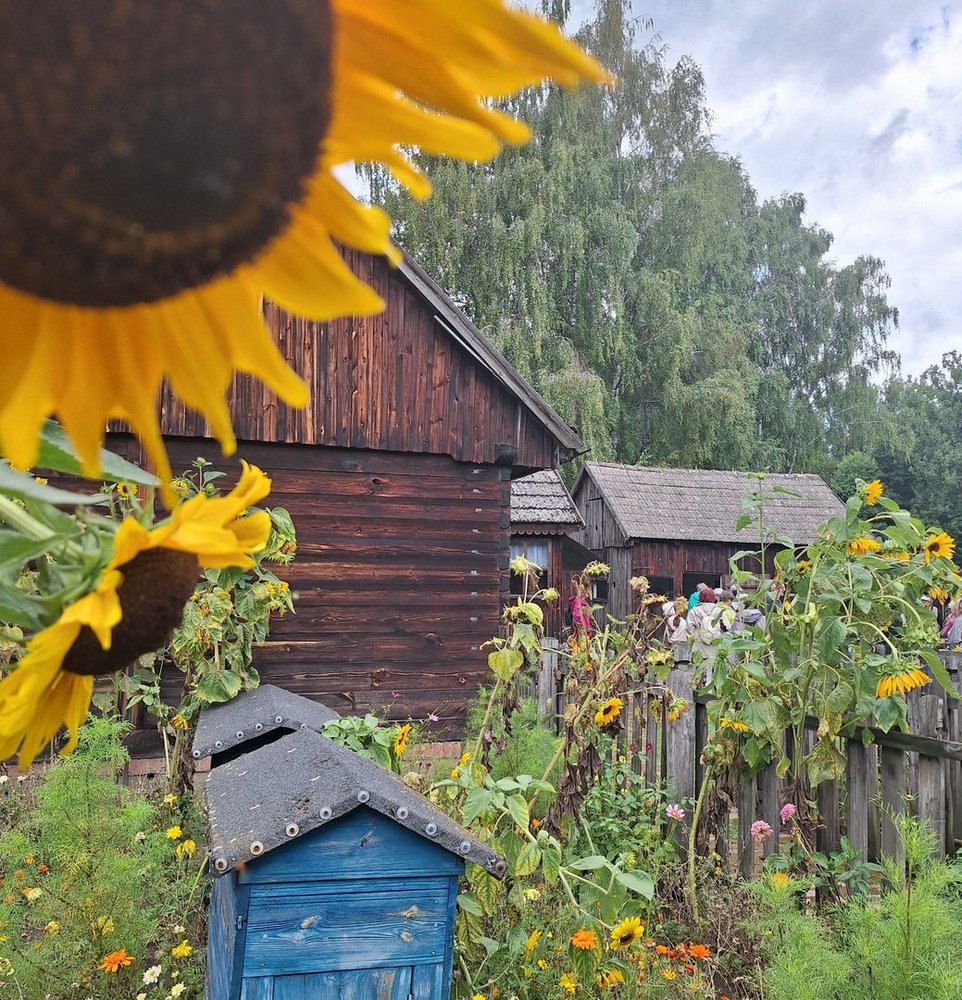
From Strońsko, the participants travelled to Sieradz to visit the Sieradz Ethnographic Park. One of its most fascinating exhibits is the homestead of Szczepan Mucha (1908–1983), a resident of the village of Szale near Klonowa, regarded as one of the most outstanding folk sculptors of the Sieradz region.
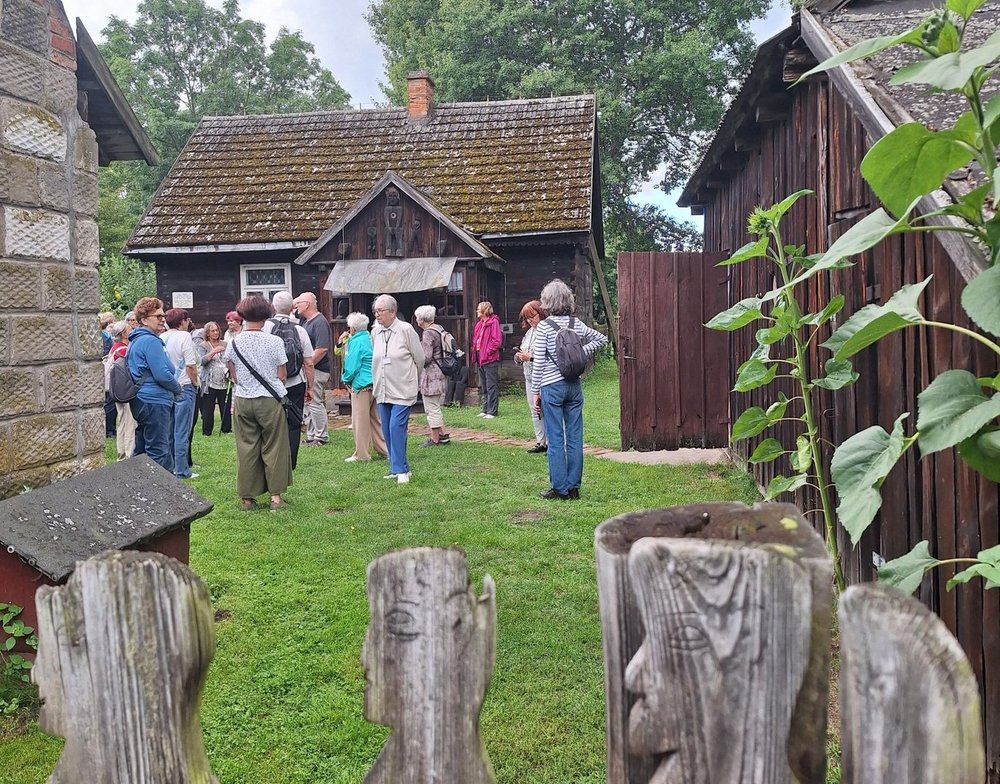
Szczepan Mucha worked first as a woodcutter and later as an assistant forest ranger. Sculpture became his way of expressing emotions and communicating with the outside world. He surrounded his house and garden with an extraordinary fence, crowning its pickets and posts with profiles of human heads.
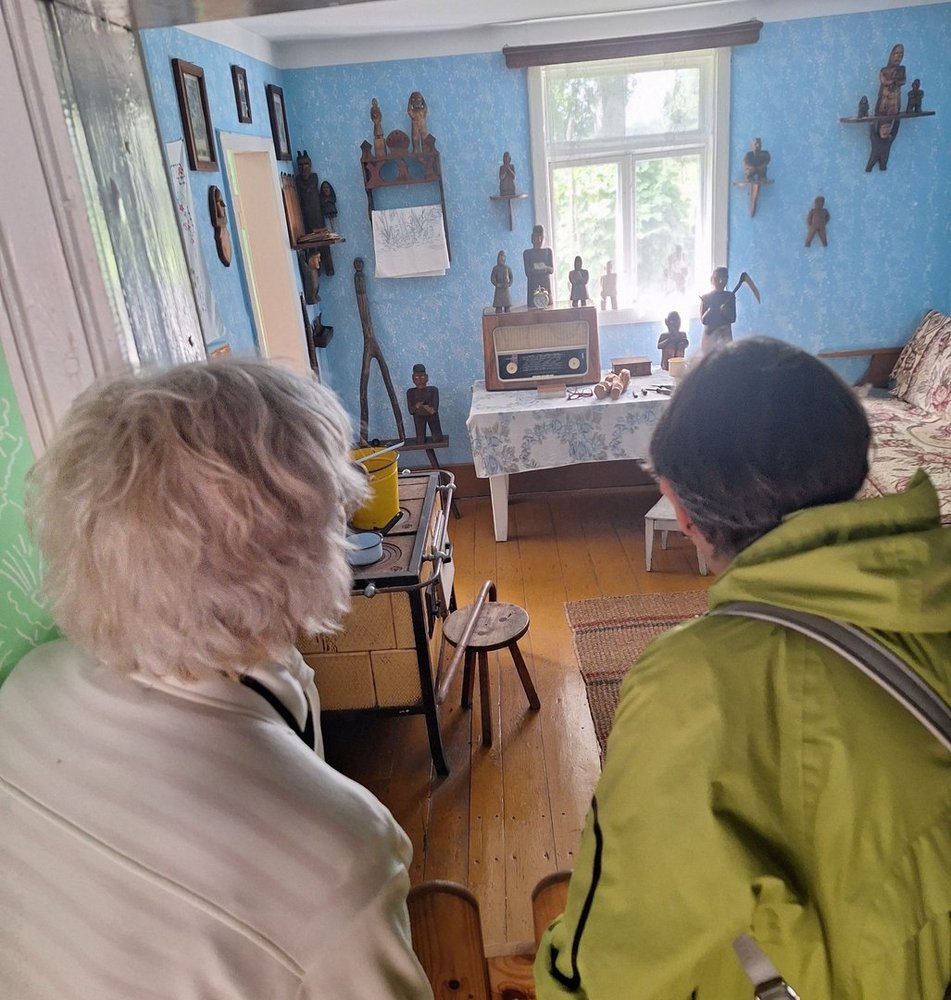
The artist used only the simplest tools: a saw, an axe, a knife and a chisel made by his own hand. His work was discovered in 1972 by Zofia Neymanowa and gained recognition among experts in folk art in the mid-1970s. Szczepan Mucha’s sculptures found their way into museum and private collections both in Poland and abroad.
The artist’s homestead, dating from the late 1950s and early 1960s, was relocated to the Sieradz Ethnographic Park and reconstructed between 1987 and 1991. Today, visitors can view numerous works by the artist in the house, former workshop and garden.
The excursion combined leisure with learning about the history, heritage and folk art of the region. It was a day filled with fascinating stories, shared conversations and new experiences.
Photos: Krzysztof Kowalewicz (Centre for Organising Cultural Events and Conferences, University of Lodz)


