Post-Industrial Tourism in UNIC Research
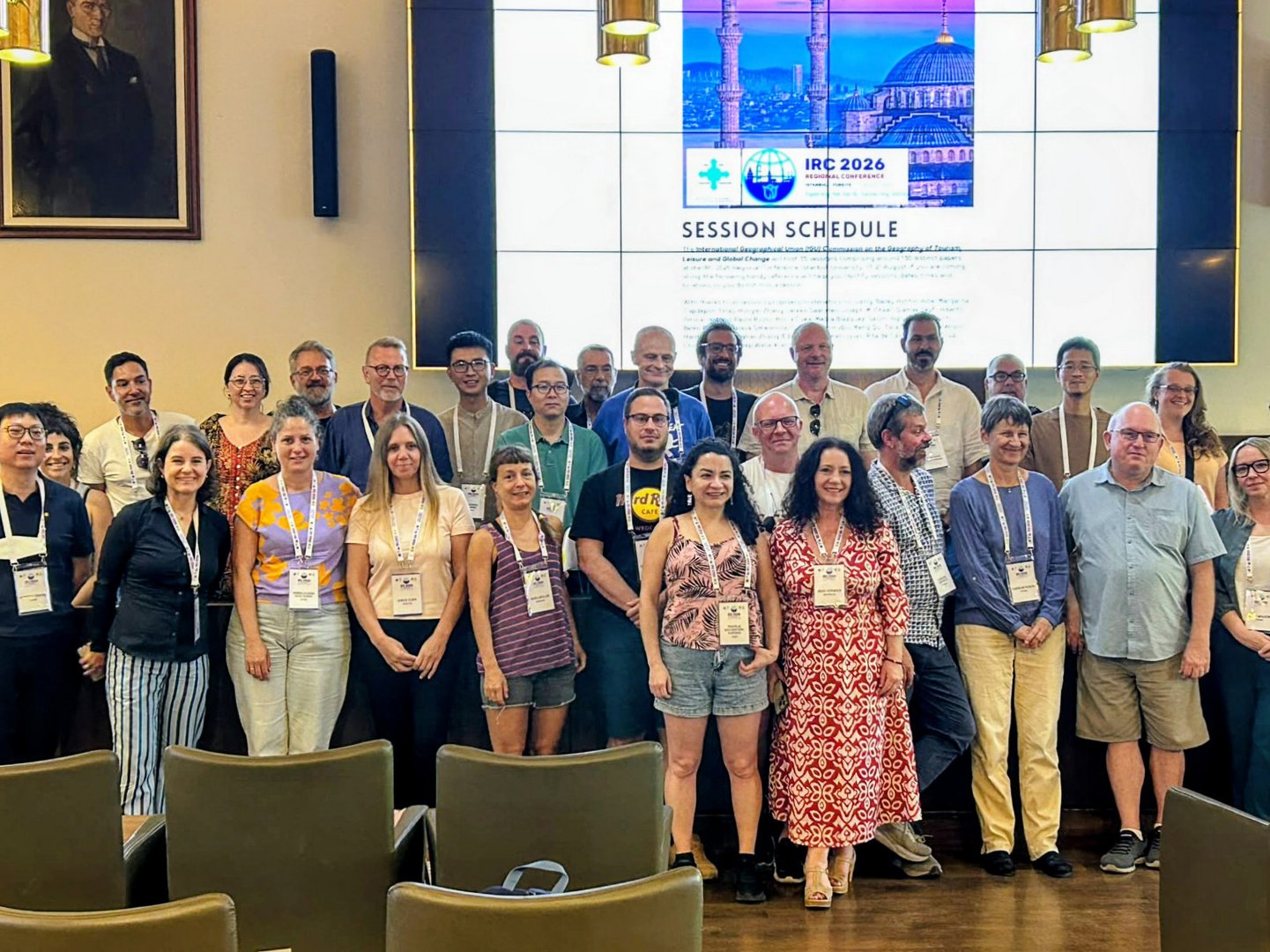
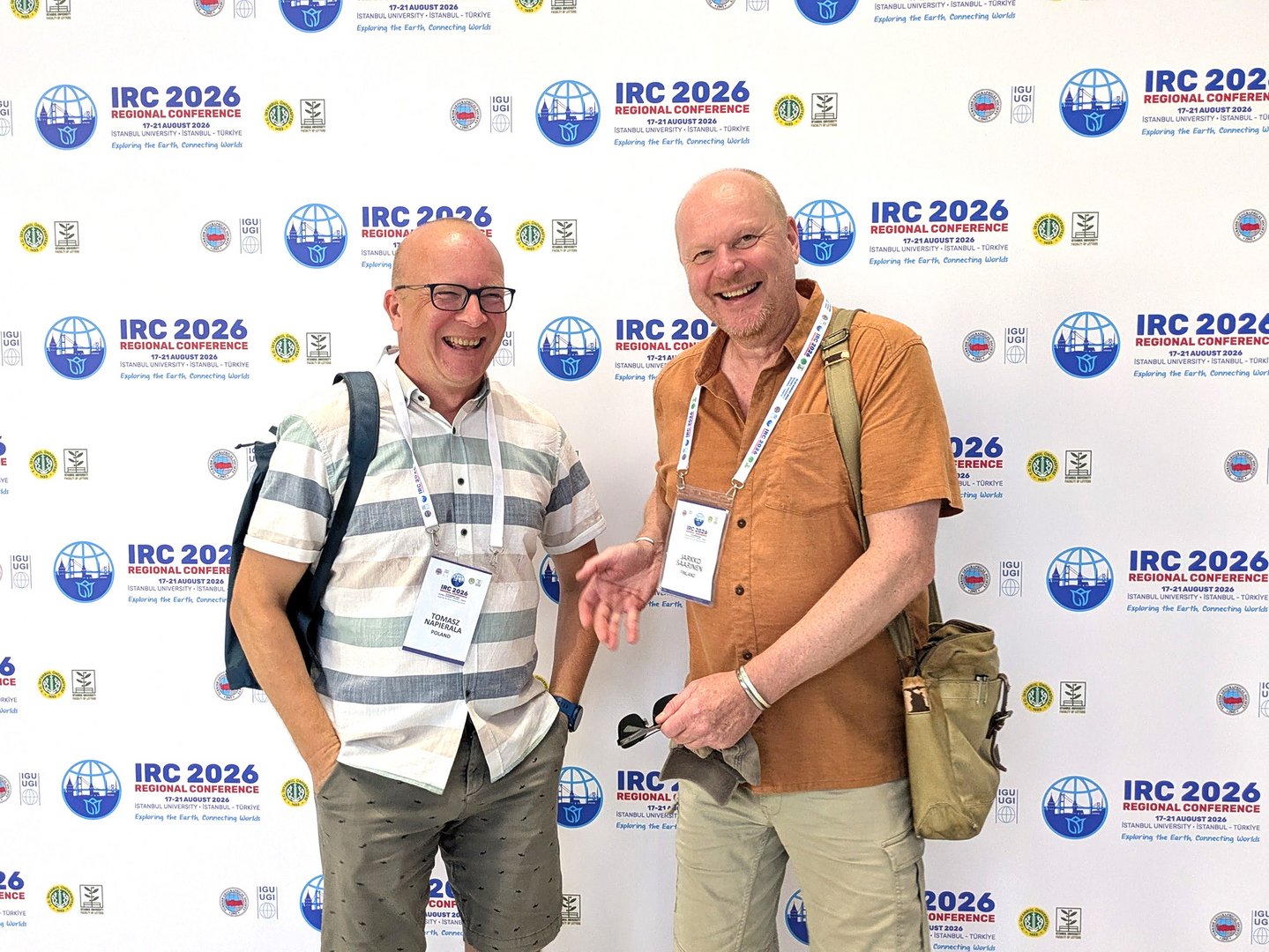
During the Regional Conference of the International Geographical Union (IGU), Dr Tomasz Napierała from the Faculty of Geographical Sciences presented the results of research conducted jointly with the UNIC Alliance partners, Vuk Tvrtko Opačić from the University of Zagreb (Croatia) and Jarkko Saarinen from the University of Oulu (Finland).
The research focuses on the role of tourism in cities and regions that are undergoing, or have undergone, transformation following the decline of traditional industries. The presentation formed part of a broader initiative involving researchers associated with UNIC. One of the outcomes of this initiative will be a special issue of the Turyzm/Tourism journal published by the University of Lodz.
Industrial Heritage: An Opportunity and a Constraint
The question: can tourism help post-industrial cities and regions develop after the end of industrial dominance without becoming another economic monoculture? lies at the heart of the collaborative research conducted by geographers from the UNIC Alliance.
As Dr Tomasz Napierała explains:
Our reflections centre on two paradoxes: the heritage paradox, which refers to both the negative and positive aspects of industrial heritage, and the tourism paradox, according to which the economic weakness of tourism based on industrial heritage may become its strength.
Former factories, mines, workers’ housing estates and local traditions can become valuable assets. They help to build a place’s identity, attract visitors, and, through revitalisation efforts, industrial architecture can regain its former splendour while acquiring new functions. At the same time, however, the same industrial past may also generate problems and challenges, including:
- economies that have remained dependent for years on a single dominant industrial sector;
- attachment to former ways of thinking;
- difficulties in implementing change;
- environmental consequences left behind by industrial activity.
In other words, the past can both support development and hinder it.
Can Tourism Replace Industry?
Tourism based on industrial heritage cannot replace industry, nor is it a simple remedy for the economic crisis resulting from industrial decline. It rarely achieves an economic scale comparable to that of previous industrial activity. Yet, it may be precisely for this reason that it has value. Rather than dominating the local economy, tourism can become one of several pillars of development. In this way, it supports diversification without creating another economic monoculture.
Ultimately, we arrive at the conclusion that the most important question today is not, “How can industry be replaced by tourism?”, but rather: “How can tourism be used as one element of a more diversified and economically resilient future for post-industrial cities and regions?”