During the meeting, the speaker will present a sociological perspective on disasters, risk and vulnerability, with particular emphasis on the role of social inequalities and institutional conditions. He will also discuss contemporary threats such as earthquakes, floods and climate‑related disasters, as well as present the results of research conducted in Turkey on social vulnerability to disasters.
Please register your participation using the registration form.
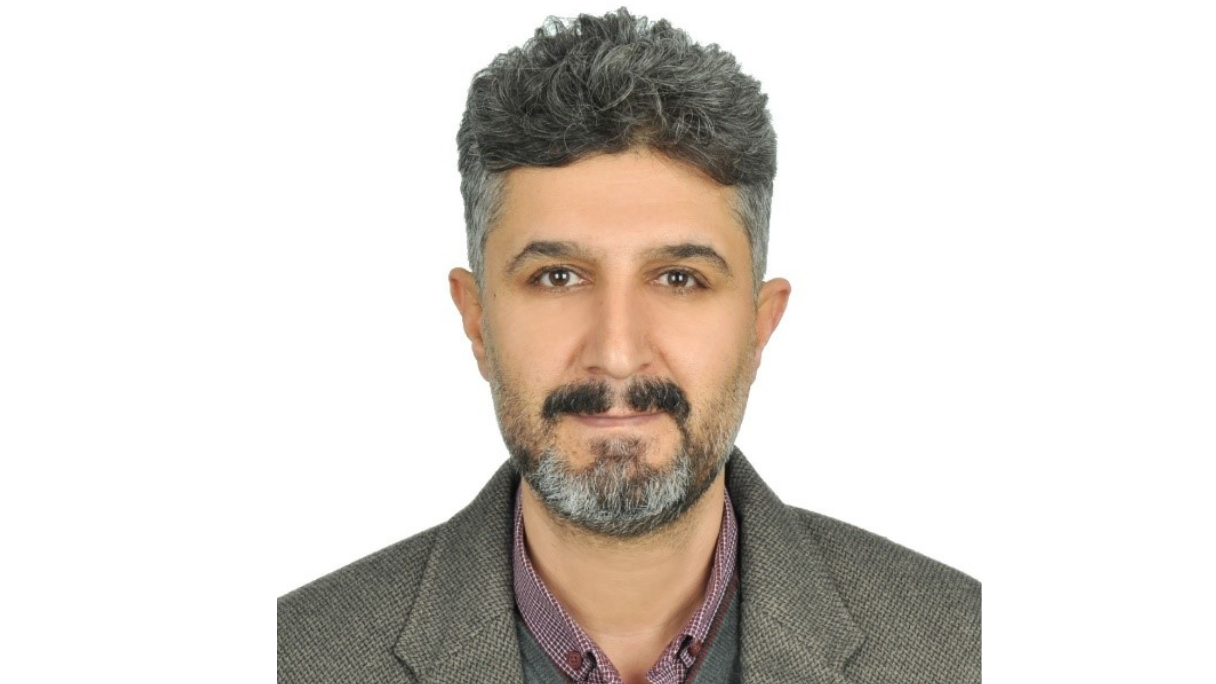
Mehmet Baki Bilik
Mehmet Baki Bilik is an Associate Professor at the Sociology Department at Van Yüzüncü Yıl University in Turkey. His main area of specialisation is the sociology of disasters. His research focuses primarily on risk, social vulnerability, earthquakes and the social dimensions of disasters.
He obtained his PhD in Sociology at Van Yüzüncü Yıl University, defending a doctoral dissertation entitled “City and Disaster: Vulnerability of Van City Centre to Earthquakes”. His academic work addresses issues related to disaster risk, socio‑spatial vulnerability, disaster‑induced migration, urban resilience, climate risks and post‑disaster social processes.
Dr Bilik teaches undergraduate and Master’s level courses in the fields of disaster sociology, sociology of climate change, society and memory, and the relationships between cities, society and disasters. He is an author of academic articles and book chapters devoted to disaster sociology, earthquakes, social vulnerability, drought, disaster‑related migration, urban resilience and disaster ethics. He has also presented papers at numerous national and international academic conferences on disasters and society.
In recent years, his research has focused primarily on the social impacts of the earthquakes of 6 February 2023 in Turkey, forced displacement and post‑disaster social vulnerability. He also cooperates with public institutions and international organisations on projects and training activities related to risk awareness, ethics and children’s rights.
Disaster, Risk and Social Vulnerability: A Sociological Perspective – Abstract
The presentation analyses disasters, risk and social vulnerability from a sociological perspective. It discusses how disasters are shaped not only by natural phenomena, but also by social vulnerability, inequality and institutional structures. The presentation also addresses sociological approaches to the growing number of disasters and threats in the contemporary world. Concepts such as risk, vulnerability, inequality and social resilience are analysed within the framework of disaster sociology.
The presentation will discuss contemporary threats, including earthquakes, floods, forest fires and climate change‑related disasters, with particular attention given to the relationship between hazards and social vulnerability.
It will also present the results of research on disaster vulnerability conducted in the city of Van, Turkey. Based on this case study, the presentation briefly explains how sociological research on social vulnerability is carried out, including data collection processes, research methodology and sociological analysis. In addition, sociological approaches and fieldwork experience used in disaster sociology research will be discussed.


